



How to grow enrollment with a plan that follows the admissions calendar
By LO Media Agency. Published October 9, 2026.
Private school marketing is the work of helping the right families find your school, trust it and enroll. In practice that means a clear message about what makes your school different, a website and search presence that answer parents’ questions, social media and video that show daily life, and a plan that follows your admissions calendar. This guide lays out that plan, with ideas by channel and by budget, what to measure, and a real example from a school we work with.
Key takeaways
- Families choose a school over months, so marketing has to be present all year, not just before open house.
- The first job is naming three advantages a competing school cannot copy. Everything else builds on them.
- Google search and maps, your website, social media, email and the local community are the five places to show up.
- A plan that follows the admissions calendar (foundation in summer, awareness in fall, open houses before winter, applications in January, re-enrollment in spring) beats a plan built around a budget.
- Measure inquiries, tours and enrolled students by channel. Likes and impressions do not fill seats.
In this guide: Why it is different · Your three advantages · How families find a school · Online channels · Offline ideas · 12 ideas by budget · The one-year plan · Budget · Measurement · Common mistakes · Early Beginnings example · Trends for 2026 · Hiring an agency · FAQ
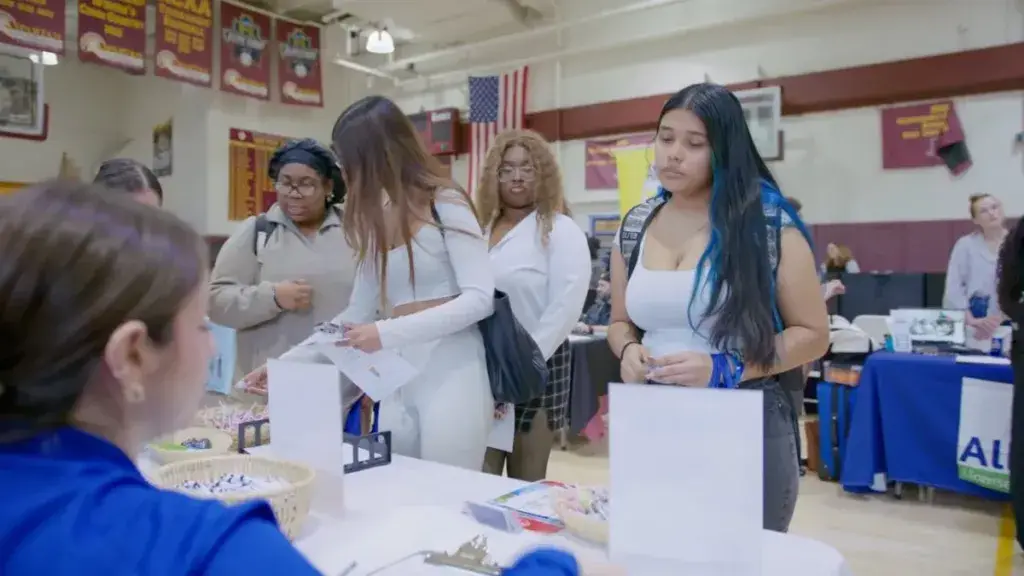
Why is private school marketing different from other marketing?
A family chooses a school the way they choose a doctor, not the way they choose a restaurant. Parents research for months, visit, compare, ask other parents and only then apply. Three things follow for marketing:
- Trust beats offers. Reviews, outcomes, teacher bios and real student stories move families. Discounts rarely do.
- The calendar runs the plan. Inquiries, open houses, applications and re-enrollment happen in a known order each year. Marketing has to be ready before each wave, not during it.
- More than one decision-maker. Parents decide, children influence, and grandparents often help pay. Your message has to work for all three.
Most independent schools are not short on effort. According to the 2024-2025 State of Independent School Marketing survey by NAIS and Metric Marketing, more than half of independent schools spend over $70,000 a year on marketing, and the typical school has three or fewer full-time people working on it. The two most common challenges those marketers named were identifying three unique advantages competitors would struggle to match, and building awareness among the right families. This guide starts with those two.
What are your school's three advantages?
Your three advantages are the specific things a competing school would struggle to copy. Not “small class sizes” or “caring teachers,” which every school says. Specific things:
- A program only you run. A language immersion track, a farm, a maker lab, a partnership with a local college, a sport or arts program with a record.
- A result you can show. Where graduates go next, a test score trend, a retention rate, a college acceptance list.
- A way of doing things. A daily schedule, a discipline approach, a faith tradition, a tuition model, a class size you can state as a number.
Test each one with a simple question: would a parent repeat it to a friend in one sentence? If not, keep working. These three lines become the first thing on your homepage, the first thing a visitor hears on a tour, and the backbone of every campaign below.
How do families find a private school today?
Most families start on Google and in conversation. Searches like “private schools near me,” “best private elementary school in [town]” and “[school name] reviews” are the ones that matter. Then they look at your website, your Instagram, your Google reviews, and they ask other parents. By the time they book a tour, they have formed an opinion.
That means your job is to show up consistently in five places: Google search and maps, your website, social media and video, email, and the local community (feeder preschools, pediatricians, youth sports, places of worship). The next sections cover each one.
How do you market a private school online?
1. Local search and your Google Business Profile
Claim and complete your Google Business Profile with the right category (school type), photos of the campus and classrooms, hours, and a link to your tour page. Ask happy families for reviews after a good moment (a performance, a parent conference, a graduation), and reply to every review, including the hard ones. On the website, build a page for each program and grade level, and name your town and the towns families commute from. Google’s own guide to setting up a Business Profile covers the steps. Our SEO services handle this for schools.
2. A website that books tours
Parents land on your site with three questions: who is this school for, what does it cost, and how do I visit. Put the three advantages near the top, make “Book a tour” or “Inquire” visible on every page, and keep the inquiry form to four or five fields. Tuition and financial aid deserve a clear page, even if the answer is “contact us for a conversation.” If the site is slow or hard to use on a phone, fix that before spending on ads; most parents will visit from a phone first. See our website design work.
3. Social media that shows daily life
Families want to see what a Tuesday looks like. Short videos of classrooms, projects, sports and traditions do more than polished brochures. Post two to three times a week, feature teachers and alumni, and promote open houses as events. Instagram and Facebook reach parents; TikTok and YouTube Shorts reach older students. Keep a running list of moments worth filming so posting never depends on inspiration.
4. Video that answers questions before the tour
One well-made school video answers more questions than any page of text. Start with a two-minute tour film, then shorter pieces: a head of school welcome, a day in the life, a parent story, a program overview. Use the same footage on the website, in ads and on social. Two examples from our own video production work with schools:
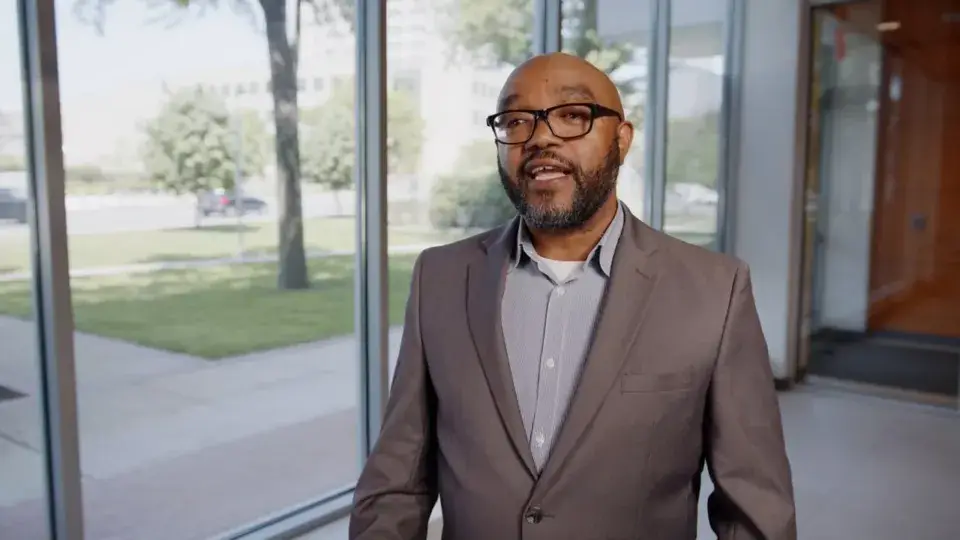
A program overview film we produced for Westchester Culinary Tech Center. In 90 seconds a prospective student sees the kitchens, the instructors and where the program leads.
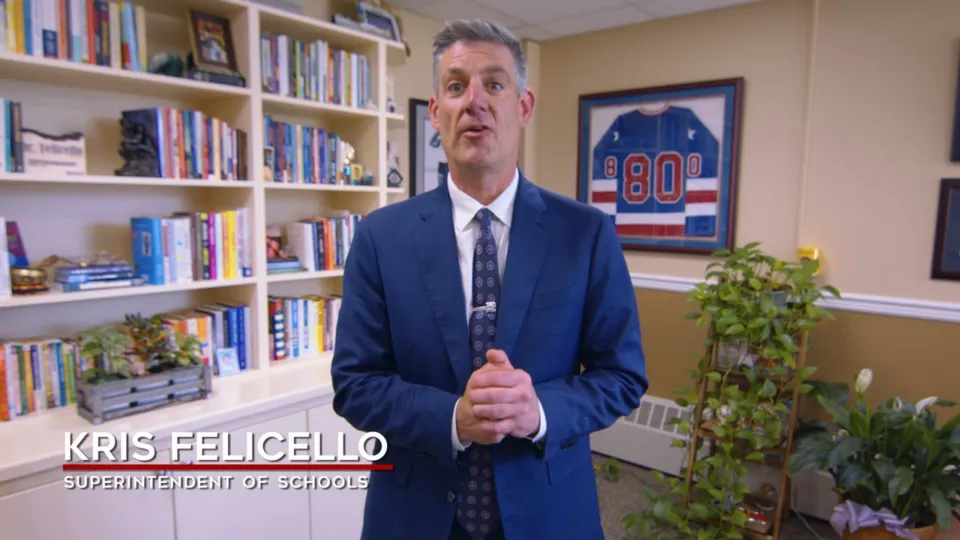
A welcome film we produced for BOCES at North Rockland High School, with the superintendent speaking directly to students and families. A head of school welcome works the same way for a private school.
What we see on school shoots: the strongest footage is never the building. It is a teacher mid-lesson, a student explaining a project, a parent at pickup. Plan the shoot around people and moments, and the film writes itself.
5. Paid search and retargeting
Google Ads on “private school [town]” and program searches put you in front of families who are deciding now. Retargeting brings back visitors who looked at your site but did not inquire. Run both in the months before applications are due and again before summer enrollment, send the clicks to a page with a tour form, and track every inquiry they produce. Small, steady budgets with tracking beat big seasonal bursts without it. Our PPC management runs this for schools.
6. Email that turns interest into applications
Email is where interest becomes an application. Set up three sequences: after an inquiry (what to expect, book a tour), after a tour (thank you, next steps, a parent story), and after an application (deposit, re-enrollment, welcome). Send a monthly newsletter to prospective families with real school moments, not announcements. Our guide to email marketing for educational institutions covers the sequences in detail.
What private school marketing ideas work offline?
- Open houses and tours. Independent schools report individual tours and group open houses as their most effective admissions touchpoints (NAIS and Metric Marketing, 2024-2025). Make every tour a scheduled, personal event, and follow up within a day.
- Feeder relationships. Preschools, pediatric practices, youth sports leagues and places of worship near you already know the families you want. Offer them something useful: a reading night, a STEM demo, a free workshop for parents.
- Current families. Word of mouth is still the number one channel. Give parents an easy way to refer (a tour they can bring a friend to, a referral note in the newsletter) and thank them publicly.
- Alumni. Where graduates went next is your strongest proof. Collect it every spring and show it on the website and in the tour.
- Community presence. Sponsor the youth league, host the town’s spelling bee, open the gym to a local club. Being the school people walk past every weekend matters.
12 private school marketing ideas, sorted by budget
Cost little money, take time
- Rewrite the homepage around your three advantages.
- Film one classroom moment a week on a phone and post it.
- Ask ten families for Google reviews after the spring concert.
- Write a “what a day looks like” page for each grade level.
- Set up the three email sequences (inquiry, tour, application).
- Call every family who toured but did not apply and ask why.
Cost money, save time
- A professional two-minute tour film and three short cuts.
- Google Ads on your town plus “private school” during application season.
- Retargeting ads to site visitors in the eight weeks before deadlines.
- A website rebuild with program pages and a one-step tour form.
- Call tracking and a monthly inquiry report.
- Printed materials that match the website for tours and feeder visits.
What does a private school marketing plan look like?
A private school marketing plan works when it follows the admissions calendar. Here is a one-year outline for a school on a fall start. Shift the months for rolling admissions or a year-round program.
| Months | Focus | What to do |
|---|---|---|
| July to August | Foundation | Fix the website, Google Business Profile and inquiry tracking. Write the three advantages. Plan the fall video shoot. |
| September to October | Awareness | Launch search ads and social content. Film the tour video. Announce open house dates everywhere. |
| November to December | Open houses | Run open houses and tours. Retarget site visitors. Email sequence after every tour. |
| January to February | Applications | Deadline reminders by email and ads. Financial aid content. Parent stories on social. |
| March to April | Decisions and re-enrollment | Yield emails and calls for admitted families. Re-enrollment campaign for current families. |
| May to June | Summer and waitlist | Summer program promotion, waitlist nurture, collect reviews and graduate outcomes. |
Download the one-page private school marketing plan template (PDF). Fill in your dates, owners and budget for each season.
Book a 30-minute education marketing consultation if you would like us to build the plan with you.
How much should a private school spend on marketing?
A private school should spend enough to be present in every season above, and no more than it can measure. Start from the value of one enrolled student over the years they stay, then work backward to what an inquiry is worth. Schools that track inquiries and tours by channel can set a budget from the math. Schools that do not are guessing. If you want a benchmark, the NAIS and Metric Marketing survey found that most independent schools spend over $70,000 a year; what matters more is which channels produce the tours.
How do you measure private school marketing?
Measure the funnel, not the likes:
- Inquiries (form fills and calls), by channel
- Tours booked and tours attended
- Applications and accepted offers
- Enrolled students, and cost per enrolled student by channel
- Re-enrollment rate
Make sure every inquiry is counted before you spend more. Call tracking, a form that tags its source, and a short monthly report keep the head of school and the board on the same page.
What are the most common private school marketing mistakes?
- Saying what every school says. “Small classes” and “caring teachers” do not help a parent choose.
- Marketing only before open house. Families who started researching in spring never saw you.
- A website that hides tuition and the tour button. Both are the first things parents look for.
- Ignoring Google reviews. They are read before the website.
- Counting likes instead of tours. The only numbers that matter end in enrolled students.
- Forgetting current families. Re-enrollment is the cheapest enrollment you will ever get.
A real example: Early Beginnings Day Care & Preschool
Early Beginnings is an early education center in Jersey City with a long reputation and, until recently, an outdated brand and a quiet online presence. As it prepared to open a third location, it needed new families to see the warmth and professionalism that existing parents already knew.
We rebuilt the brand around one question, what do parents need to feel confident, then carried it across a new logo, a new website, printed materials for all three locations, email marketing and social media management. Today all three locations are at full capacity. The lesson for any school: fix the brand and the website first, then put a steady stream of real moments in front of families. Read the full Early Beginnings case study.
What are the private school marketing trends for 2026?
- AI answers. Parents increasingly ask ChatGPT and Google’s AI Overviews for school recommendations. Clear, factual pages (programs, tuition, outcomes, location) are what those answers quote.
- Short video everywhere. Vertical video is now the default on Instagram, Facebook, TikTok and YouTube.
- Reviews as the first impression. Google reviews are read before the website.
- Tracking over volume. Smaller budgets with real inquiry tracking beat bigger budgets without it.
- Retention marketing. Re-enrollment campaigns for current families cost less than new enrollment and are often ignored.
When should a private school hire a marketing agency?
A private school should hire a marketing agency when the calendar above is more than the admissions team can run, or when the school needs skills it does not have in-house, such as search ads, video production or a website rebuild. A good agency works from your three advantages and reports on inquiries and tours, not impressions.
LO Media is an education marketing agency in Tappan, NY. We rebranded Early Beginnings, and we produce video for St. Thomas Aquinas College, Westchester Culinary Tech Center and BOCES at North Rockland High School. See our education marketing services, or book a 30-minute education marketing consultation.
Frequently asked questions
How do you market a private school?
Start with the three advantages competitors cannot copy, put them on your homepage and in your tour, then show up where families look: Google search and maps, your website, social media, email and the local community. Follow the admissions calendar so each campaign runs before its season, not during it.
How can a private school increase enrollment?
Make tours easy to book and follow up within a day, collect Google reviews, show real daily life on social and video, run search ads before application deadlines, and run a re-enrollment campaign for current families every spring. Track inquiries and tours by channel so you know what to repeat.
How do you grow private school enrollment on a small budget?
Put the time into things that cost little: rewrite the homepage around your three advantages, post one classroom moment a week, ask families for reviews, set up email sequences, and call every family that toured but did not apply. Add paid search only once tracking is in place.
How much should a private school spend on marketing?
Work backward from the value of one enrolled student and what an inquiry is worth to you. Most independent schools spend more than $70,000 a year (NAIS and Metric Marketing, 2024-2025). What matters is tracking which channels produce tours and enrolled students.
What is the biggest marketing mistake private schools make?
Saying what every school says. "Small classes" and "caring teachers" do not help a parent choose. Specific programs, results and ways of doing things do, and they belong on the homepage and in the tour.
Does social media work for private school enrollment?
Yes, when it shows daily life rather than announcements. Parents use it to check the feel of a school before they book a tour. Two to three posts a week with real classroom moments is a good pace, and short video performs best.
When should we start marketing for next year's enrollment?
The summer before. The website, Google reviews and inquiry tracking should be ready by August so fall awareness and open houses land on a solid base.
Should a private school use video?
Yes. A two-minute tour film, a head of school welcome and short classroom clips answer the questions parents have before a visit and work across the website, ads and social media. Film people and moments, not buildings.
LO Media Agency is an education marketing agency in Tappan, NY, serving schools across New York, New Jersey and Connecticut. Related guides: digital marketing for educational institutes, higher education marketing strategies, email marketing for educational institutions and marketing for continuing education programs. See our education marketing services or get in touch.
Sources: NAIS and Metric Marketing, 2024-2025 State of Independent School Marketing; Google Business Profile Help.